



African Disability Protocol Implementation: Why Action Is Now the Real Test
African Disability Protocol implementation has become the defining issue for disability rights across the continent in 2026. While many countries have ratified the treaty, the real challenge now lies in turning commitments into measurable outcomes.
Across Africa, governments are facing increasing pressure to move beyond promises and begin enforcing disability rights in practical, visible ways.
What African Disability Protocol Implementation Means for Africa
African Disability Protocol implementation refers to how countries translate the treaty into national laws, policies, and real-life protections for persons with disabilities.
The protocol guarantees rights such as:
- Equal access to education
- Inclusive healthcare systems
- Employment opportunities
- Political participation
- Protection from discrimination
However, without proper implementation, these rights remain largely theoretical.
Why African Disability Protocol Implementation Is Lagging
Despite progress on paper, African Disability Protocol implementation is slow in many countries. Several key issues explain this gap.
Weak National Policy Alignment
Many governments have not updated domestic laws to reflect the protocol.
Limited Budget Allocation
Without funding, policies cannot be executed effectively.
Institutional Weakness
Disability commissions often lack authority and resources.
African Disability Protocol Implementation and Political Will
One of the biggest barriers to African Disability Protocol implementation is inconsistent political will.
Governments frequently make commitments at international forums but fail to follow through at the national level. Competing priorities such as economic challenges and security issues often overshadow disability inclusion.
The Role of Data in African Disability Protocol Implementation
Accurate data is essential for effective African Disability Protocol implementation.
However, many African countries still lack:
- Reliable disability statistics
- National disability registries
- Data-driven policy frameworks
Without data, governments cannot properly plan or measure progress.
Civil Society Driving African Disability Protocol Implementation
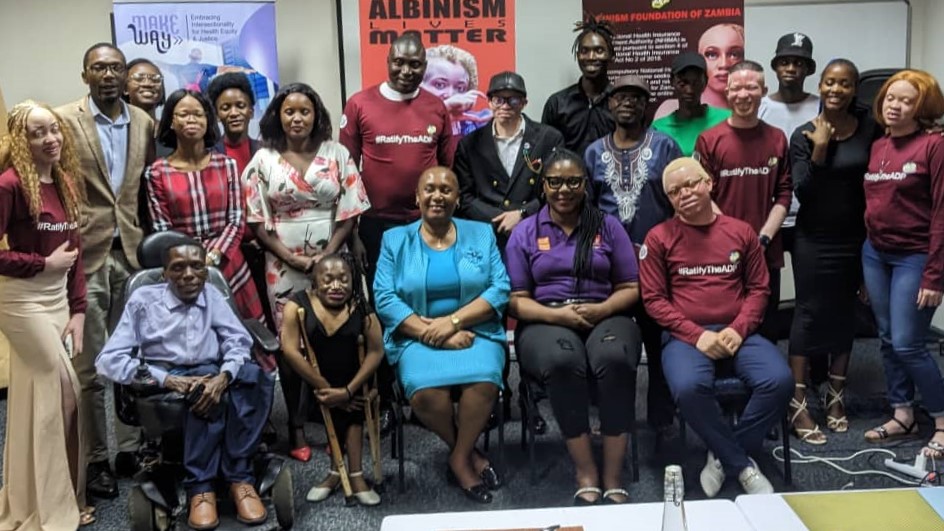
Organizations of Persons with Disabilities (OPDs) are leading efforts to push African Disability Protocol implementation forward.
They are actively involved in:
- Monitoring government commitments
- Advocating for inclusive policies
- Raising public awareness
- Engaging policymakers
For example, advocacy groups supported by the African Disability Forum continue to push for stronger accountability across multiple countries.
Growing Pressure for African Disability Protocol Implementation
Pressure is increasing across Africa for governments to deliver results.
Key trends include:
- Public accountability campaigns
- Legal challenges against non-compliance
- Media coverage of disability issues
- Regional advocacy efforts
International organizations like Sightsavers have also emphasized the importance of enforcing the protocol.
Learn more here:
African Disability Protocol overview
What Successful African Disability Protocol Implementation Looks Like
For African Disability Protocol implementation to succeed, countries must take concrete steps.
Adopt National Action Plans
Clear strategies aligned with the protocol.
Allocate Dedicated Budgets
Funding for disability inclusion programs.
Strengthen Institutions
Empower disability agencies with enforcement authority.
Ensure Participation
Include persons with disabilities in decision-making.
Internal Link Opportunity
You can link this article to your related coverage here:
👉 Read also: Disability Funding in Africa 2026
👉 Related: Women with Disabilities and Access to Justice

Why 2026 Is a Turning Point for African Disability Protocol Implementation
African Disability Protocol implementation is now the benchmark for measuring real progress.
Governments are no longer judged by what they sign, but by what they deliver.
This shift marks a new phase in Africa’s disability rights movement—one focused on accountability and results.
Conclusion: African Disability Protocol Implementation Will Define the Future
African Disability Protocol implementation will determine whether millions of persons with disabilities experience real change.
The treaty has created a strong foundation, but only action will turn rights into reality.
Without urgent implementation, the promise of inclusion will remain unfulfilled.
With it, Africa has the opportunity to lead globally in disability rights.