
NCPWD, Discovering Ability Sign MoU to Launch Reality TV Platform for Persons with Disabilities
The National Commission for Persons with Disabilities (NCPWD) has partnered with the Discovering Ability in Disability Initiative to create a new entertainment platform designed to showcase the talents and abilities of persons with disabilities.
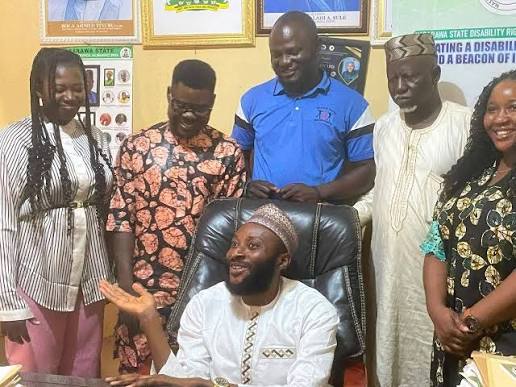
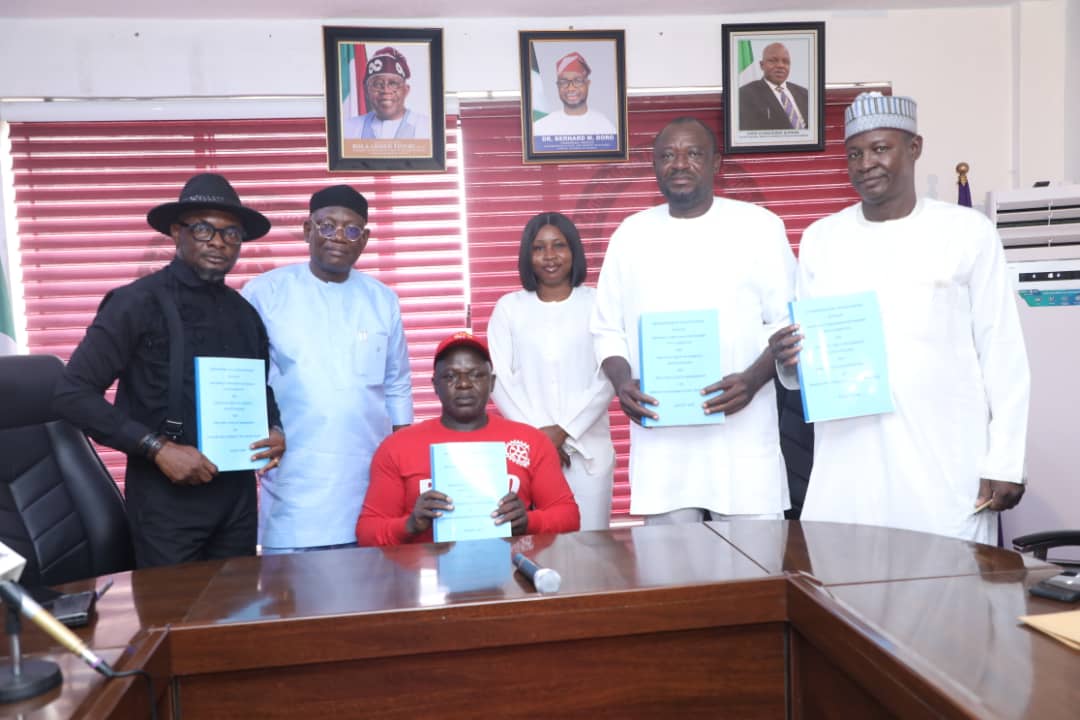
The partnership, formalised through a Memorandum of Understanding (MoU) signed on August 18, 2026, will support the development of a reality television show and other entertainment and media platforms aimed at increasing the visibility and participation of persons with disabilities in Nigeria’s creative industry.
The initiative comes at a time when conversations about disability inclusion are increasingly moving beyond access to basic services and towards representation, employment, creativity and participation in mainstream society.
For the disability community, the proposed platform could provide something that has often been missing: a large public stage where talent is recognised before disability becomes the defining feature of the story.
A New Platform for Disability Talent
The agreement between NCPWD and Discovering Ability is built around the idea that disability does not erase talent or potential.
According to reports on the partnership, the proposed reality television initiative will provide persons with disabilities with opportunities to demonstrate their creativity, skills and abilities to audiences in Nigeria and potentially beyond the country.
Rather than presenting disability primarily through charity or vulnerability, the project is intended to create space for participants to be seen as performers, creators, entrepreneurs and entertainers.
That distinction matters.
Representation in entertainment can influence how society understands disability. When people with disabilities appear only in stories about hardship, audiences can develop a narrow perception of what disability means.
A platform built around talent can help challenge that narrative.
NCPWD Says the Disability Community Needs Platforms
NCPWD Executive Secretary Ayuba Gufwan described the agreement as an important step towards creating opportunities for persons with disabilities.
He noted that Nigeria’s disability community has considerable talent but requires credible platforms through which that talent can be demonstrated to wider audiences.
The Commission has also expressed hope that the partnership will encourage additional organisations and individuals to collaborate in creating opportunities for persons with disabilities.
That wider partnership model could become just as important as the reality show itself.
A television programme can create visibility, but sustained inclusion requires opportunities across casting, production, advertising, broadcasting, media ownership, creative entrepreneurship and employment.
Discovering Ability Sees a New Chapter for Reality Television
Steve Rodstick Ezeh, founder of the Discovering Ability in Disability Initiative, described the MoU as the beginning of a new chapter for reality television and show business involving persons with disabilities.
The initiative is expected to provide participants with a platform to engage actively with the entertainment industry while challenging stereotypes surrounding disability.
This could be particularly significant for young Nigerians with disabilities who may possess artistic, musical, comedic, entrepreneurial or other creative abilities but have limited access to mainstream platforms.
Why Disability Representation in Entertainment Matters
Entertainment has enormous influence over public attitudes.
Television programmes, films, social media and other forms of popular culture help shape how people perceive different groups within society.
For persons with disabilities, authentic representation can challenge assumptions that disability is synonymous with dependence or inability.
A reality show featuring people with different disabilities could expose audiences to a much wider range of experiences and personalities.
Participants could be seen competing, collaborating, performing, creating businesses, solving problems and building relationships—ordinary human experiences that are often missing from mainstream disability narratives.
Beyond Visibility: The Question of Economic Opportunity
Visibility alone, however, should not be the final measure of success.
A major opportunity presented by the partnership is the possibility of connecting entertainment exposure with real economic opportunities.
If participants receive professional development, mentorship, media training and access to industry networks, the project could potentially become a pathway into employment and entrepreneurship.
The entertainment sector itself also has room to improve accessibility.
Production companies, television stations, event organisers and advertising agencies can create more inclusive workplaces by ensuring accessible audition processes, communication systems, production environments and contracts.
What an Inclusive Reality Show Should Look Like
For the initiative to achieve its full potential, accessibility should be incorporated from the beginning.
That includes considering:
- Accessible audition and application processes
- Sign-language interpretation where required
- Captioning
- Accessible production locations
- Appropriate mobility support
- Accessible accommodation for participants
- Reasonable adjustments during filming
- Accessible voting and audience participation systems
Inclusion should not be added after the programme has already been designed.
It should form part of the production model from the start.
A Chance to Change the Narrative
The most significant potential impact of the project may ultimately be cultural.
Nigeria has millions of persons with disabilities, yet mainstream entertainment has historically offered limited opportunities for them to occupy central roles.
A successful programme could change that equation.
Instead of asking audiences to simply sympathise with persons with disabilities, entertainment can invite audiences to appreciate their talent.
That is a fundamentally different conversation.
What Comes Next?
The signing of the MoU is an important first step, but the public will now want to know more about the programme itself.
Questions remain around the show’s format, selection process, production partners, broadcasting platform, accessibility arrangements, prizes, participant support and timeline for launch.
Those details will determine how effectively the concept translates from agreement to a sustainable entertainment platform.
For NCPWD and Discovering Ability, the challenge will be to ensure that the initiative delivers meaningful opportunities rather than temporary visibility.
Conclusion
The partnership between NCPWD and Discovering Ability represents an important development in Nigeria’s disability inclusion landscape.
By creating a reality television platform focused on the talents and abilities of persons with disabilities, the initiative has the potential to challenge stereotypes while opening doors into the creative economy.
The real test, however, will be what happens beyond the cameras.
If participants gain lasting exposure, professional opportunities, employment and access to the wider entertainment industry, the project could become much more than a television show.
It could become a new platform for changing how Nigeria sees disability and how persons with disabilities see their own place in the country’s creative future.