
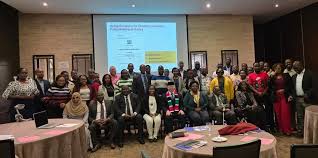
Kenya AI for Disability Project Launched to Advance Digital Accessibility
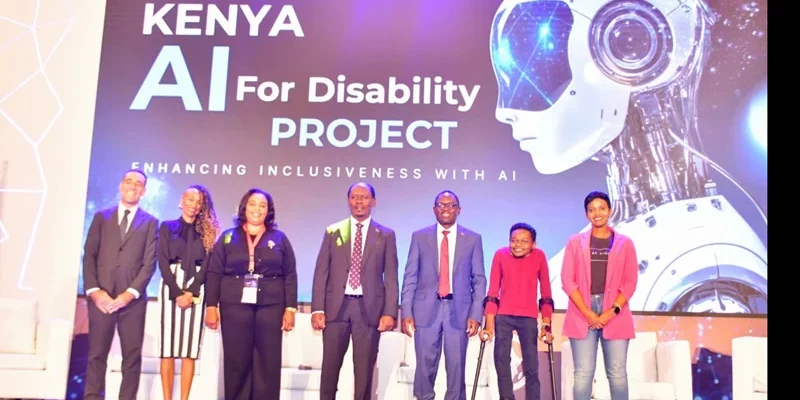
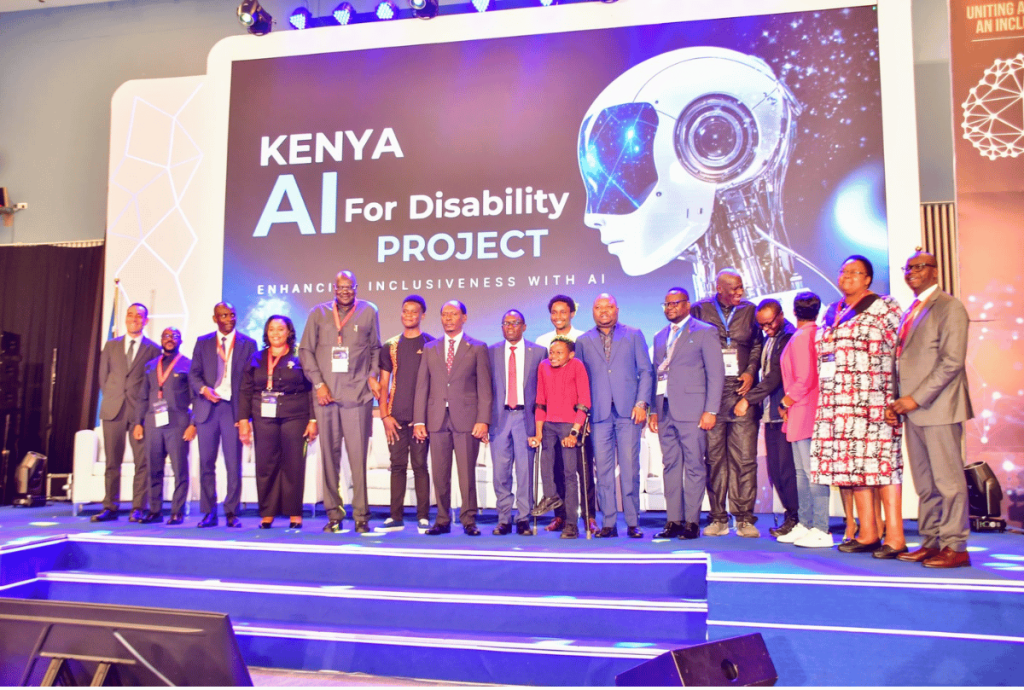
The Kenya AI for disability project has positioned the country among Africa’s emerging leaders in accessible technology. Announced during the Connected Africa Summit 2026, the initiative seeks to harness artificial intelligence (AI) to improve digital accessibility, communication, and inclusion for persons with disabilities.
As governments across Africa continue their digital transformation journeys, disability advocates have repeatedly stressed that innovation must be inclusive from the beginning. The Kenya AI for disability project reflects that growing recognition by exploring how AI can remove barriers rather than create new ones.
Technology has transformed education, healthcare, employment, and public services in recent years. However, many digital platforms remain inaccessible to persons with disabilities. The new initiative aims to change that by promoting AI-powered solutions designed with accessibility in mind.
What Is the Kenya AI for Disability Project?
The Kenya AI for disability project is a collaborative initiative that encourages the development and deployment of artificial intelligence tools to improve accessibility for persons with disabilities.
The project focuses on making technology easier to use by integrating accessibility into digital services rather than treating it as an afterthought.
Areas of focus include:
- AI-powered speech recognition
- Real-time captioning
- Text-to-speech technologies
- Image recognition for people with visual impairments
- Language translation and communication support
- Accessible digital government services
By integrating these technologies into everyday services, the project hopes to reduce barriers faced by persons with disabilities when accessing education, employment, healthcare, and public information.
Why Artificial Intelligence Matters for Accessibility
Artificial intelligence has the potential to transform accessibility in ways that were previously impossible.
For people with hearing impairments, AI can generate real-time captions during meetings, online learning sessions, and public broadcasts.
For individuals with visual impairments, AI-powered image recognition tools can describe surroundings, identify objects, read printed documents aloud, and assist with navigation.
Speech recognition systems can also improve communication for people with mobility impairments who rely on voice commands to operate devices.
When developed responsibly, AI becomes more than a technological advancement—it becomes an accessibility tool that promotes independence.
Opportunities Created by the Kenya AI for Disability Project
The Kenya AI for disability project could influence multiple sectors.
Education
Accessible learning platforms can support students with diverse learning needs through adaptive technologies, voice assistance, and personalised learning tools.
Employment
Artificial intelligence can help create more inclusive workplaces by improving communication, reducing accessibility barriers, and supporting remote work.
Public Services
Government websites and digital services can become easier to navigate through AI-assisted accessibility features.
Healthcare
Healthcare providers can improve communication with patients using accessible digital platforms and AI-supported translation or captioning services.
Challenges That Must Be Addressed
While the Kenya AI for disability project offers significant opportunities, several challenges remain.
Digital Divide
Many communities still lack reliable internet connectivity and access to modern devices.
Without addressing digital inequality, advanced accessibility technologies may remain unavailable to those who need them most.
Cost of Assistive Technology
AI-powered assistive technologies can be expensive.
Ensuring affordability will be essential if the project is to achieve widespread impact.
Inclusive Design
Technology should never be designed without consulting persons with disabilities.
The most effective accessibility solutions are created with direct input from the people who will use them every day.
Why Disability-Led Innovation Matters
One of the strongest messages emerging from disability advocates is that innovation should not simply be built for persons with disabilities—it should be built with them.
The Kenya AI for disability project creates an opportunity for disability organisations, software developers, universities, researchers, and technology companies to work together in designing inclusive digital solutions.
This collaborative approach improves both usability and long-term adoption.
Implications for Africa
Kenya’s experience may inspire similar initiatives across Africa.
Many countries are expanding digital government services, electronic health records, online education, and digital financial systems.
If accessibility is integrated from the beginning, millions of Africans with disabilities could benefit from greater independence and equal participation.
The project also supports broader continental goals around digital inclusion, innovation, and sustainable development.
Looking Ahead
The Kenya AI for disability project represents an important step toward making digital transformation more inclusive.
Its long-term success will depend on:
- Continued investment in accessible technology
- Partnerships between government and the private sector
- Capacity building for developers
- Strong disability participation in technology design
- Policies that encourage inclusive innovation
As artificial intelligence becomes increasingly integrated into daily life, accessibility must remain a central consideration rather than an optional feature.
Conclusion
The Kenya AI for disability project demonstrates how emerging technologies can be used to promote inclusion rather than deepen inequality.
Although challenges remain, the initiative signals a positive shift toward disability-inclusive innovation in Africa.
If successfully implemented and expanded, it could become a model for other countries seeking to ensure that technological progress benefits everyone, including persons with disabilities.