

Kenya Disability Act Implementation: Why 2026 Could Be a Turning Point for Disability Rights

Kenya Disability Act implementation has become one of the most important disability policy discussions in East Africa. While Kenya has made significant progress in strengthening legal protections for persons with disabilities, implementation remains the true measure of success. Laws can establish rights, but only effective implementation ensures those rights are experienced in schools, workplaces, hospitals, courts, and public spaces.
In 2026, attention is increasingly focused on whether the country can translate legislative commitments into meaningful improvements for the estimated millions of Kenyans living with disabilities. Government agencies, civil society organisations, disability advocates, and development partners all have a role to play in ensuring the law delivers tangible results.
Understanding Kenya Disability Act Implementation
Kenya Disability Act implementation refers to the practical enforcement of disability legislation across every level of government and society. It involves creating systems that protect rights while removing barriers that prevent persons with disabilities from participating equally.
Successful implementation includes:
- Accessible public buildings and transport
- Inclusive education at all levels
- Equal employment opportunities
- Accessible healthcare services
- Protection from discrimination
- Equal participation in political and public life
The goal is not simply compliance with legislation but creating an inclusive society where disability is recognised as a human rights issue rather than a charitable concern.
Why Implementation Matters More Than Legislation
Many countries have comprehensive disability laws but struggle to achieve meaningful change because implementation is inconsistent.
Kenya has already demonstrated commitment by strengthening its disability policy framework. However, implementation requires more than legislation. It depends on adequate funding, institutional coordination, public awareness, and continuous monitoring.
Without these elements, legal protections may exist only on paper.
For persons with disabilities, implementation determines whether they can enter a government office independently, attend school without discrimination, access healthcare in accessible facilities, or compete fairly for employment.
Progress Being Made
There have been encouraging developments supporting Kenya Disability Act implementation.
Government institutions have increasingly recognised accessibility as an essential part of public service delivery. Some public buildings have improved physical accessibility, while conversations around inclusive education continue to gain momentum.
Disability organisations have also strengthened advocacy efforts by working closely with policymakers to ensure implementation remains a national priority.
Digital accessibility has become another important area of progress. As government services move online, there is growing recognition that websites, online forms, and digital platforms must also be accessible to persons with visual, hearing, cognitive, and physical disabilities.
These developments demonstrate that disability inclusion is gradually becoming part of mainstream policy discussions.
Challenges Slowing Kenya Disability Act Implementation
Despite positive developments, several obstacles continue to affect Kenya Disability Act implementation.
Limited Financial Resources
Implementation requires sustained investment.
Accessibility improvements, assistive technologies, inclusive education, and disability support programmes all depend on adequate funding.
When disability programmes compete with other national priorities, implementation may slow significantly.
Accessibility Gaps
Many public facilities still present barriers.
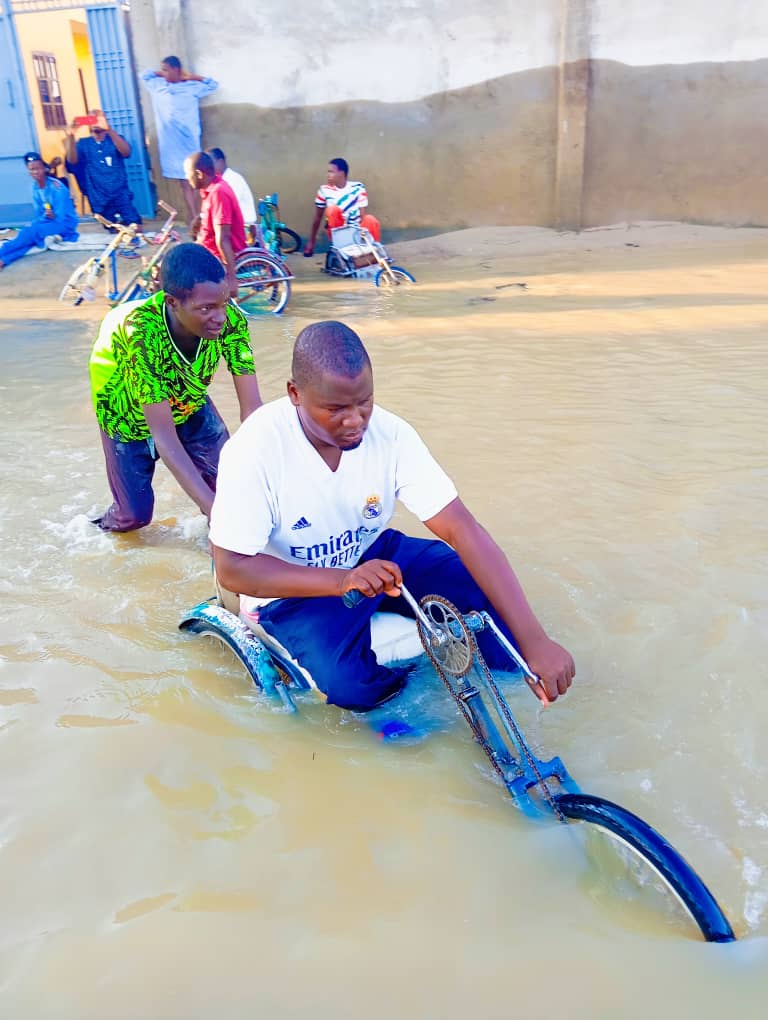
Persons with disabilities continue to report challenges accessing transport systems, healthcare facilities, educational institutions, and government offices.
Improving accessibility requires long-term planning as well as consistent enforcement of building standards.
Public Awareness
Laws alone cannot eliminate discrimination.
Communities, employers, educators, healthcare workers, and service providers all need greater awareness of disability rights and inclusive practices.
Changing attitudes often takes longer than changing legislation.
The Role of Organisations of Persons with Disabilities
Organisations of Persons with Disabilities (OPDs) remain central to Kenya Disability Act implementation.
These organisations:
- Monitor implementation progress
- Educate communities about disability rights
- Provide policy recommendations
- Represent the voices of persons with disabilities
- Hold institutions accountable
Their involvement ensures implementation reflects lived experience rather than assumptions made without meaningful consultation.
The disability rights principle of “Nothing About Us Without Us” remains essential throughout implementation.
Why Accessibility Benefits Everyone
One common misconception is that disability legislation benefits only persons with disabilities.
In reality, accessibility improves everyday life for many people.
Examples include:
- Parents using strollers
- Older adults with reduced mobility
- People recovering from injuries
- Travellers carrying luggage
- Individuals with temporary health conditions
Inclusive design creates environments that work better for everyone.
Looking Ahead
The coming years will determine whether Kenya Disability Act implementation achieves its intended goals.
Success will depend on:
- Strong political commitment
- Adequate funding
- Regular monitoring
- Collaboration between government and civil society
- Continuous engagement with persons with disabilities
Kenya also has the opportunity to become a regional leader by demonstrating how disability legislation can be effectively translated into practical action.
What This Means for Africa
Other African countries are closely watching disability policy developments across the continent.
Lessons learned from Kenya Disability Act implementation may help inform reforms elsewhere, particularly as more countries work to implement the African Disability Protocol and strengthen national disability legislation.
Sharing good practices across borders can accelerate inclusion throughout Africa.
Conclusion
Kenya Disability Act implementation represents more than the enforcement of a single law. It reflects a broader commitment to equality, accessibility, and human rights.
While challenges remain, continued collaboration between government, disability organisations, development partners, and communities provides an opportunity to build a society where persons with disabilities can participate fully and equally.
The success of Kenya Disability Act implementation will ultimately be measured not by the number of policies adopted, but by the everyday experiences of people whose lives those policies are intended to improve.