Human Rights Day 2026: Demanding Equal Access to Justice for Young Persons with Intellectual Disability in South Africa
Introduction
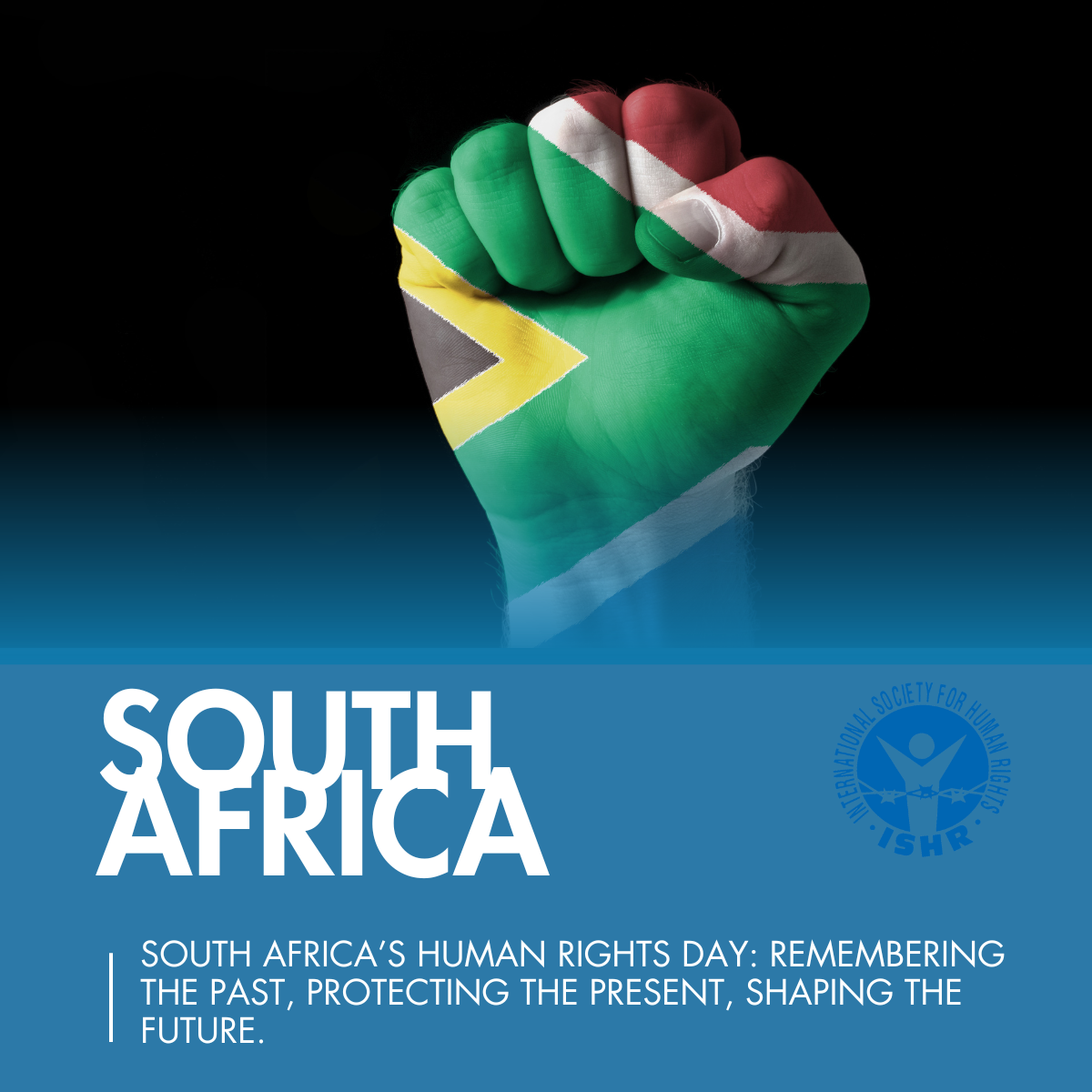
Today, 21 March 2026, South Africa marks Human Rights Day — a day to reflect on the rights enshrined in the Constitution and to take honest stock of where those rights remain out of reach. This year, the South African Federation for Mental Health (SAFMH) and Cape Mental Health are shining a powerful spotlight on one of the most overlooked groups in the country’s justice system: young persons with intellectual disability.
Their message is urgent and clear equal access to justice for persons with intellectual disability is not optional. It is a constitutional right. And right now, it is being denied to too many.
The Scale of the Problem
Research consistently shows that persons with intellectual disability (ID) are two to six times more likely to experience sexual abuse than their peers without disability. They are also significantly less likely to report abuse, to be believed when they do, or to receive meaningful support through the justice system.
In South Africa, this crisis is compounded by systemic failures. Communication difficulties often inherent to certain forms of intellectual disability, can make it harder for survivors to articulate what has happened to them. Fear of not being believed, dependence on caregivers who may themselves be perpetrators, and limited understanding of consent and personal rights all create a perfect storm of vulnerability and silence.
SAFMH’s 2026 IDAM (Intellectual Disability Awareness Month) research found that in many cases, persons with ID who receive disability grants become the financial breadwinners of their households increasing their exposure to exploitation and making them targets for abuse by those seeking to control their grant income.
What Is Section 9 and Why Does It Matter?
Section 9 of the South African Constitution states that ‘everyone is equal before the law and has the right to equal protection and benefit of the law.’ This principle of equality should be the foundation of every South African’s experience of the justice system. Yet for young persons with intellectual disability, the gap between the constitutional promise and lived reality remains vast.
SAFMH is calling for this gap to be closed not through goodwill, but through enforceable policy, adequately funded community-based services, and a justice system trained and equipped to support persons with ID through every stage of the legal process.
The Access to Justice Programme (ATJ)
One of the most effective existing responses to this crisis is Cape Mental Health’s Access to Justice (ATJ) Programme. The ATJ Programme provides psycho-legal assistance to survivors of sexual abuse with intellectual disability, guiding them and their caregivers through the complex, often traumatic process of engaging with law enforcement and the courts.
The programme’s key services include:
- Psycho-legal assessment and preparation for court testimony
- Guidance for caregivers on how to support survivors through the legal process
- Consent education and personal safety workshops for young persons with ID
- Training and sensitisation for legal professionals and police on intellectual disability
- Ongoing emotional support for survivors and their families
SAFMH has clearly stated its goal: the ATJ Programme should become available in all nine provinces of South Africa. Currently, it operates primarily in Cape Town meaning survivors in Limpopo, KwaZulu-Natal, the Eastern Cape, and elsewhere are left without specialist support.
The IDAM 2026 Theme: ‘My Safety, My Right, My Grant’
This year’s national IDAM (Intellectual Disability Awareness Month) theme — ‘My Safety, My Right, My Grant: Understanding the Vulnerabilities of Young People with Intellectual Disability and Their Experiences in Accessing Social Assistance’ – was chosen because it speaks to three interconnected realities for young persons with ID in South Africa.
First, safety: persons with ID are at heightened and disproportionate risk of violence, abuse, and exploitation, and the systems meant to protect them are inadequately equipped.
Second, rights: the constitutional and legal framework exists, but is not consistently applied, enforced, or accessible to persons with ID who navigate the justice system without support.
Third, grants: the disability grant, a lifeline for hundreds of thousands of South Africans can become a source of exploitation when households view a person with ID primarily as a financial resource rather than a rights-bearing individual.
What SAFMH Is Calling For
On Human Rights Day 2026, SAFMH is making a series of concrete demands:
- National expansion of the ATJ Programme to all provinces
- Mandatory training for police and justice officials on intellectual disability and supported decision-making
- Development of inclusive, accessible legal materials for persons with ID
- Greater collaboration between the Department of Social Development, mental health organisations, and justice sector
- Evidence-based measurement of inclusion goals for persons with ID across education, employment, and civic life
How You Can Get Involved
Whether you are a caregiver, teacher, employer, community leader, healthcare professional, or policymaker, you have a role to play in protecting the rights of persons with intellectual disability.
Contact Cape Mental Health at info@cmh.org.za or call 021 447-9040 to learn about the ATJ Programme and how to get involved. Follow SAFMH at safmh.org for campaign updates throughout March 2026.
Conclusion
Human Rights Day is only meaningful if human rights are experienced by everyone, including those who are most vulnerable and least heard. Young persons with intellectual disability in South Africa deserve a justice system that sees them, hears them, and protects them with the same vigour afforded to everyone else. That is not a favour. It is the law. And today, we hold that law to its promise.