



South Africa’s Housing Regulator Takes a Historic Step: SHRA Hosts First Disability Inclusion Dialogue in Gqeberha
Housing is not simply shelter. For persons with disabilities, it is the foundation on which everything else employment, education, health, social participation either becomes possible or impossible. An inaccessible home is not just uncomfortable. It is a barrier to the world. South Africa has long acknowledged this in policy language. What has been missing, in the Eastern Cape as in much of the country, is the structured, multi-stakeholder engagement needed to translate policy language into accessible homes.
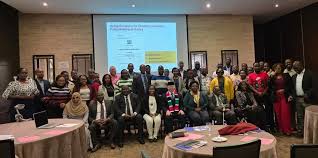
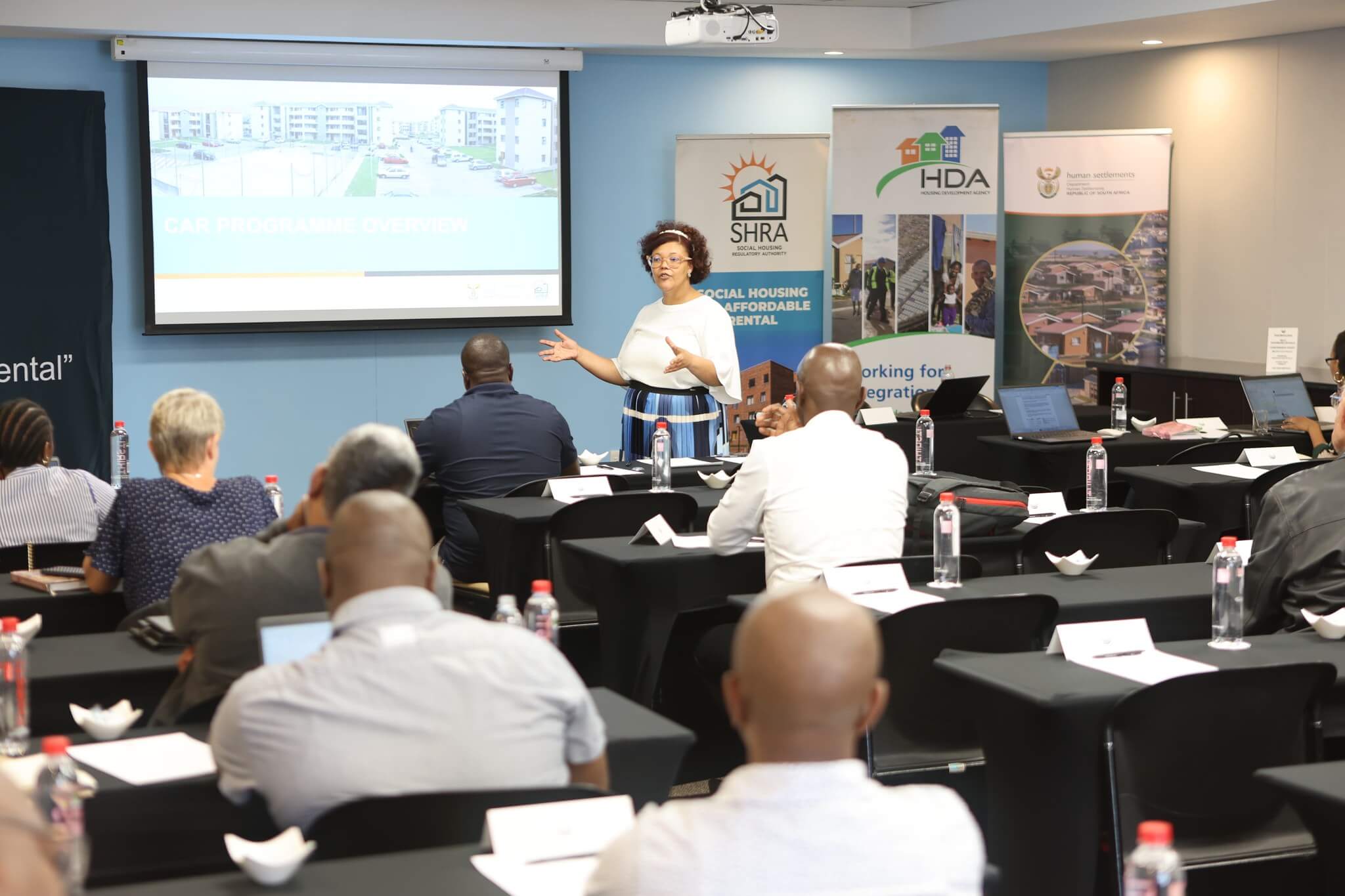
On 11 March 2026, the Social Housing Regulatory Authority (SHRA) took a step toward closing that gap. The authority hosted an inclusive stakeholder engagement focused specifically on disability participation in the social housing sector held in Gqeberha, in the Eastern Cape bringing together government authorities, disability organisations, sector institutions, and industry partners for what is being described as one of the first dedicated government-led engagements on disability housing access in the province.
What Is SHRA and Why Does It Matter?
The Social Housing Regulatory Authority is the government body responsible for regulating social housing institutions in South Africa and ensuring quality housing for lower- to middle-income households. Social housing rental or cooperative housing managed by accredited social housing institutions serves the income bracket between R1,850 and R22,000 per month, a segment that includes a significant proportion of South Africans with disabilities who are in formal employment but unable to access private rental markets or home ownership.
SHRA’s mandate includes not only regulation and investment, but enabling and transforming the affordable social housing sector. Disability inclusion or rather, its consistent absence has been a gap in the sector’s transformation agenda. The Gqeberha dialogue represents SHRA’s most direct and structured engagement with this gap to date.
Who Was at the Table
The dialogue was organised in partnership with the National Department of Human Settlements, the Eastern Cape Department of Human Settlements, and the Nelson Mandela Bay Municipality, the metropolitan authority governing Gqeberha. This multi-level government partnership is significant. Housing policy in South Africa is concurrently administered across national, provincial, and municipal levels, and the absence of any one tier from conversations about disability inclusion can create implementation gaps that undermine the best intentions of the others.
Alongside government representatives, the session brought together disability organisations who know from direct experience what accessible and inaccessible housing means for persons with disabilities in the Eastern Cape, sector institutions with expertise in social housing development and regulation, and industry partners who build and manage the housing units that social housing policy creates.
The Housing Access Crisis for Persons with Disabilities in South Africa
The backdrop to this dialogue is a housing crisis that disproportionately affects persons with disabilities. South Africa has a massive housing backlog official estimates have placed it at several hundred thousand units, though the real figure accounting for informal settlements and backyard dwellings is likely far higher. Within this general crisis, persons with disabilities face additional layers of exclusion.
Social housing units are rarely built to universal design standards that would make them accessible to wheelchair users, persons with visual impairments, or persons with other physical limitations. Even where individual units are theoretically accessible, communal spaces, entrances, lifts, and surrounding public infrastructure often are not. The result is that persons with disabilities who access social housing frequently find themselves trapped within their units physically present in a community but unable to participate in it.
South Africa’s DAPD Act and the broader constitutional framework around equality and dignity provide legal grounds for demanding accessible housing. But legal rights require institutional champions to enforce them, and until dialogues like the SHRA engagement in Gqeberha exist, those champions have had few formal spaces to operate.
What a Disability-Inclusive Housing Sector Would Look Like
A genuinely disability-inclusive social housing sector in South Africa would require changes at every level of the housing value chain from policy and regulation through design and construction to management and maintenance.
At the policy level, universal design standards would need to be embedded in the accreditation requirements for social housing institutions and in the specifications for SHRA-funded developments. At the design level, architects and developers would need training in universal design principles and accountability mechanisms that penalise inaccessible design. At the management level, social housing institutions would need policies on reasonable accommodation, accessible communication, and tenant support for persons with disabilities.
The Gqeberha dialogue is an early step in this direction. Its most important function may be to create a shared understanding among the government, industry, and disability community stakeholders at the table of just how wide the gap between current practice and genuine inclusion actually is.
📌 The SHRA’s programme to improve disability participation across the human settlements value chain is ongoing. Disability organisations in the Eastern Cape and nationally can engage with SHRA through their official website at shra.org.za or through the National Department of Human Settlements.
Source: Pondoland Times, 11 March 2026 | SHRA official communications
AblePath Africa will follow the outcomes of this dialogue and report on any policy commitments, design standards changes, or programme announcements that emerge from the Gqeberha engagement. Accessible housing is not a luxury for persons with disabilities. It is a right and South Africa’s housing sector is overdue to treat it as one.