
Building Trarrk: How Nnanweobi Ikechukwu Augustine and His Team Are Rethinking Support for Children with Special Needs in Africa
Across Africa, support systems for children with special needs are often fragmented, inconsistent, and difficult to scale. But a new generation of founders is working to change that.
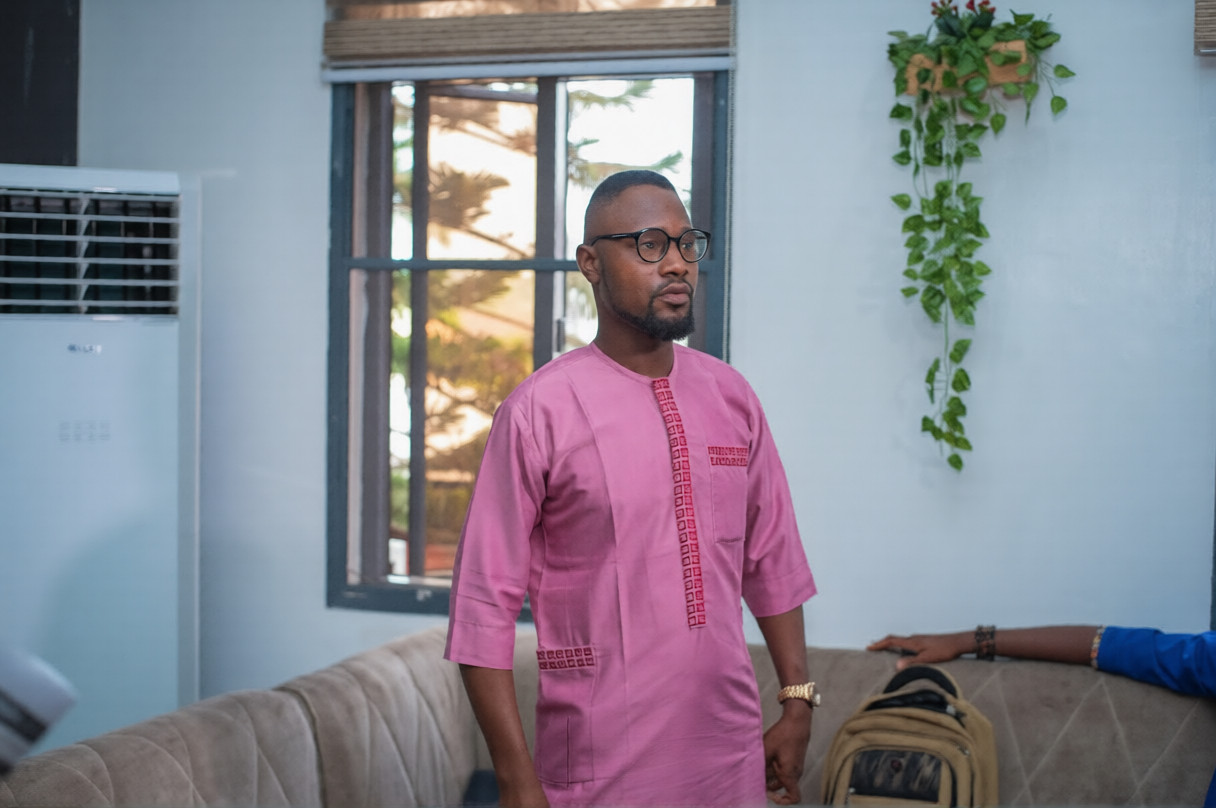
One of them is Nnanweobi Ikechukwu Augustine, founder of Trarrk alongside Boluwatife Oladejo (CTO) and Aisha Sule (Therapist) – A team building a data-driven system to transform how developmental support is delivered.
In this feature, we explore the thinking behind Trarrk, the problem it aims to solve, and why its approach could redefine special needs support in Africa.
Q: What problem is Trarrk trying to solve?
Nnanweobi Ikechukwu Augustine:
The biggest issue we’ve seen is not just lack of resources, it’s lack of structure.
Children with special needs often receive support from different places – schools, therapists, and families but there’s no unified system connecting all that effort. Progress isn’t tracked properly, and decisions are made without reliable data.
That gap affects everything.
Q: Why is data such a critical part of the solution?
Nnanweobi Ikechukwu Augustine:
Without data, you’re guessing.
You don’t clearly know:
- what a child has achieved
- where they’re struggling
- what interventions are working
Globally, systems like Individualized Education Programs (IEPs) exist, but in many African contexts, they’re either not standardized or not consistently applied.
We believe data should not be optional, it should be foundational.
Q: How is Trarrk approaching this differently?
Boluwatife Oladejo (CTO):
We’re building a system that allows developmental progress to be tracked in a structured, digital way.
The idea is to create:
- a centralized record for each child
- tools that support educators and therapists
- intelligent systems that can generate IEPs automatically
But beyond technology, we’re designing for real-world African environments where resources, infrastructure, and workflows differ significantly from global assumptions.
Q: From a therapist’s perspective, what is missing today?
Aisha Sule (Therapist):
Consistency.
In many cases, therapy goals are not followed through across different environments. A child might work on something in therapy, but that progress isn’t reinforced at school or at home.
A structured system helps ensure:
- continuity
- clarity
- collaboration
That’s where something like Trarrk becomes very valuable.
Q: What impact do you hope Trarrk will have?
Nnanweobi Ikechukwu Augustine:
We want to move from guesswork to clarity.
When progress is measurable:
- educators can teach more effectively
- therapists can adjust interventions
- parents can actually see growth
Long term, this also creates data that can inform policy and improve systems at scale.
Q: What makes this the right time to build something like this in Africa?
Nnanweobi Ikechukwu Augustine:
Africa is at a stage where we can build systems intentionally.
We don’t have to replicate everything from other regions, we can design solutions that fit our context from the start.
There’s also increasing awareness around inclusion, which creates an opportunity to build infrastructure that supports it properly.
Final Thoughts
Trarrk represents a shift from fragmented support to structured, data-driven systems for children with disabilities.
Led by Nnanweobi Ikechukwu Augustine, with Boluwatife Oladejo (CTO) and Aisha Sule (Therapist), the team is working at the intersection of technology, education, and care.
If successful, their work could play a key role in shaping the future of inclusive education in Africa.